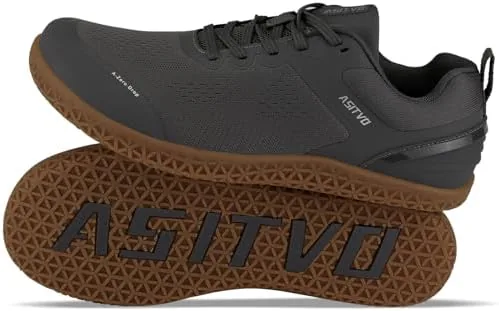
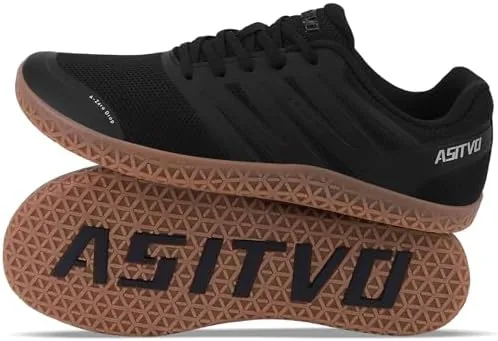
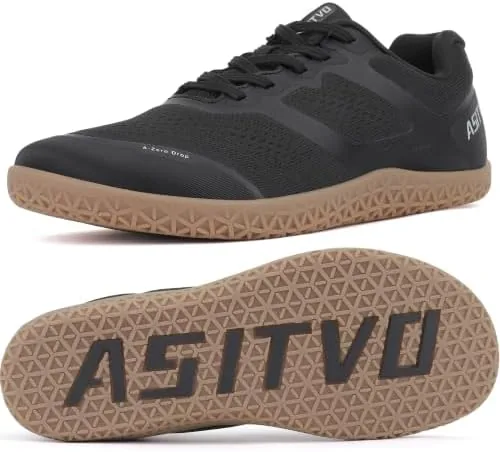
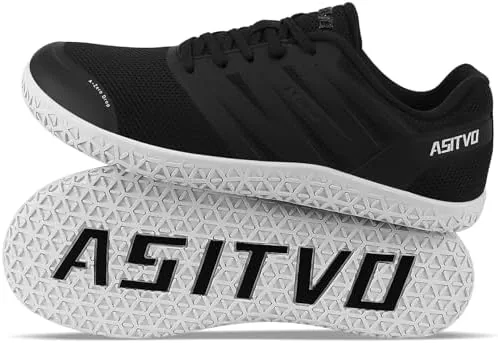
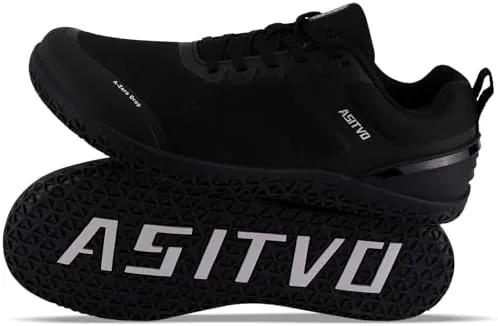
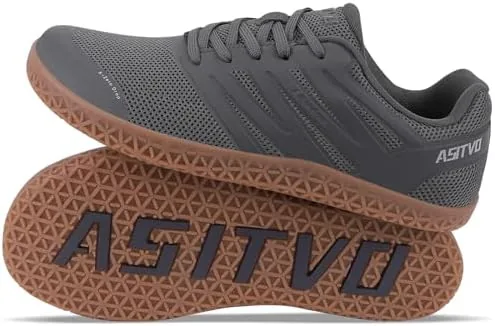
Asitvo — Men's Barefoot Sneakers
Built for Those Who Refuse to Compromise on Foot Health
Asitvo Men's Barefoot Sneakers exist for a specific community — individuals who understand that conventional footwear has been working against natural human biomechanics for decades. Founded in 2020, this brand emerged with a singular mission: to create footwear that restores the innate connection between feet and ground while promoting natural movement patterns that modern cushioned shoes have all but eliminated. The target audience includes barefoot shoe enthusiasts who have already discovered the benefits of minimalist footwear, along with newcomers seeking relief from chronic foot issues.
The brand specifically addresses the needs of people with wide feet who have struggled to find comfortable options in mainstream footwear markets. Those suffering from bunions, plantar fasciitis, and other conditions caused or exacerbated by narrow, restrictive shoes find particular value in this collection. The anatomical design philosophy places foot health at the forefront, recognizing that toes need space to spread naturally and that elevated heels disrupt proper posture and joint alignment.
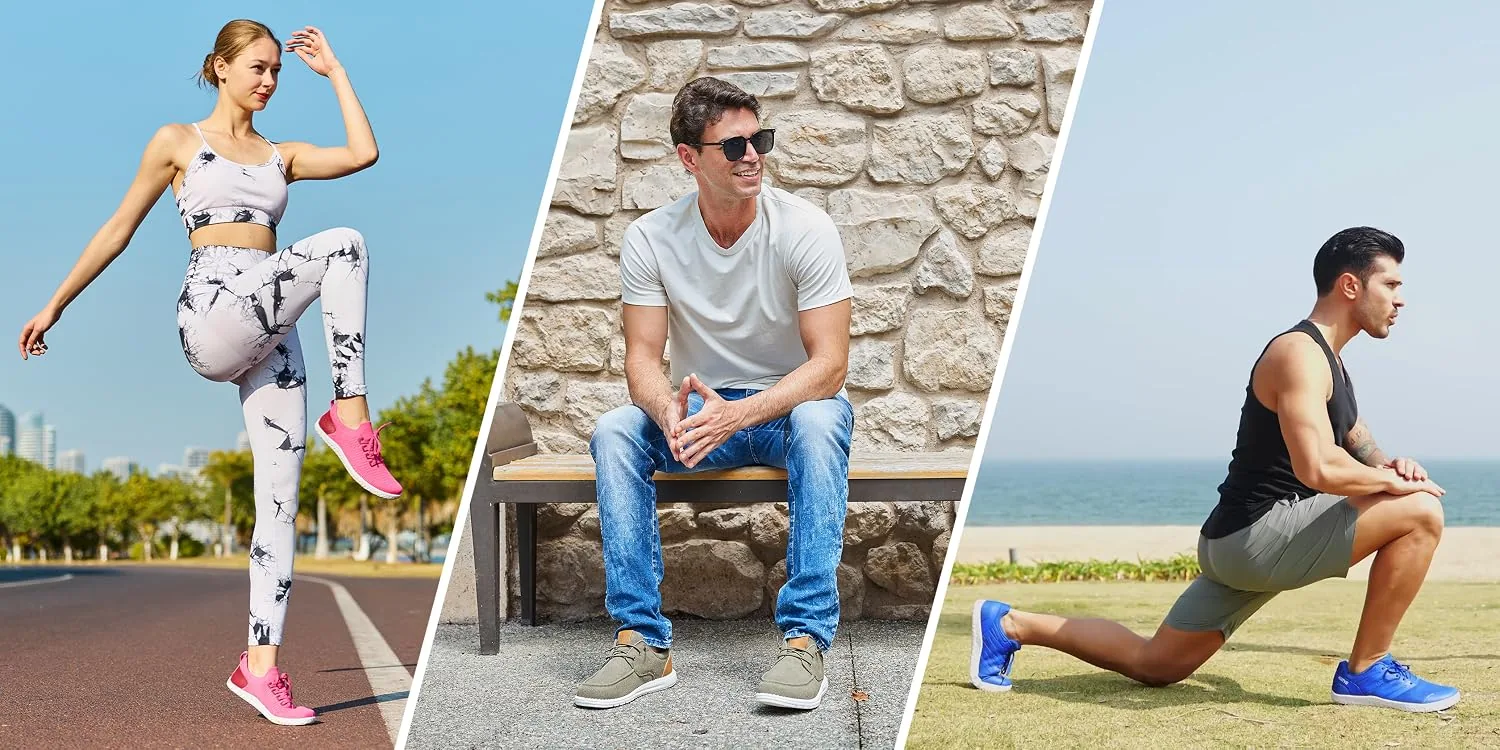
Beyond addressing specific foot conditions, Asitvo serves active individuals who demand versatility from their footwear. Whether commuting through city streets, powering through gym sessions, or exploring light trails on weekends, the brand delivers performance without sacrificing the barefoot experience. This is footwear for those who have done their research and made an informed decision to prioritize long-term foot health over fleeting fashion trends.
A Complete Range of Minimalist Training and Lifestyle Options
The men's barefoot sneaker collection from this brand encompasses multiple styles designed to transition seamlessly from workout environments to casual daily wear. Each model maintains the core barefoot principles while offering distinct aesthetic choices that suit various personal preferences and wardrobe requirements. The range ensures that adopting minimalist footwear does not mean limiting style options or settling for a single all-purpose shoe.
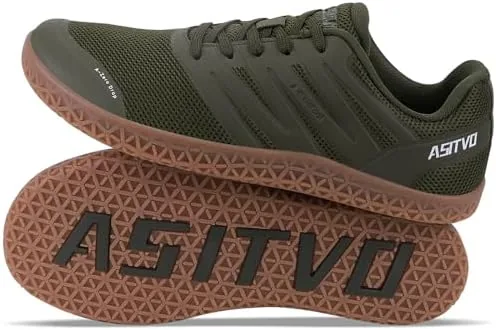
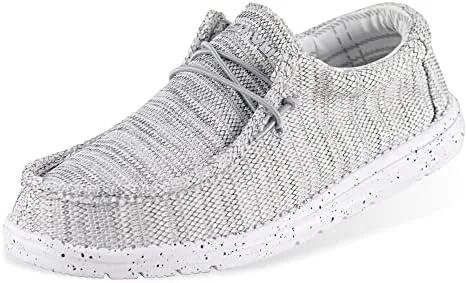
Gym-focused designs feature enhanced grip patterns optimized for weight room surfaces and cross-training movements. These models prioritize lateral stability during dynamic exercises while maintaining the ground feel essential to barefoot training philosophy. Urban-oriented styles incorporate more refined visual elements suitable for office-casual dress codes or weekend social activities, proving that health-conscious footwear can integrate into professional and personal contexts alike.
The collection also includes hybrid models that bridge the gap between trail capability and street style. These versatile options handle light hiking terrain and outdoor fitness activities while remaining appropriate for coffee shop stops and errands afterward. This comprehensive approach means wearers can commit to barefoot principles across their entire lifestyle rather than compromising during specific activities.
The Zero-Drop Foundation: Reconnecting Feet to Natural Movement
The engineering philosophy behind these sneakers begins with a fundamental rejection of elevated heels — a design choice that dominates conventional footwear and contributes to postural dysfunction. The zero-drop sole construction positions the heel and forefoot at identical heights relative to the ground, replicating the biomechanical stance of walking barefoot on natural surfaces. This alignment encourages a midfoot or forefoot strike pattern rather than the heel-striking gait that padded running shoes inadvertently promote.
Complementing the zero-drop platform is the wide anatomical toe box, engineered to accommodate the natural splay of toes during weight-bearing activities. When toes spread freely, they provide superior balance, proprioceptive feedback, and push-off power during movement. Conventional narrow toe boxes compress the forefoot, weakening intrinsic foot muscles over time and creating conditions favorable to bunion development, hammertoes, and neuromas. The anatomical design reverses this damage by restoring space for natural toe function.
The minimalist sole thickness maintains maximum ground feel while still providing essential protection from sharp objects and hot surfaces. This balance between protection and sensitivity allows the thousands of nerve endings in the foot sole to transmit environmental information to the brain, improving balance, spatial awareness, and movement efficiency. The result is footwear that works with human anatomy rather than overriding it with artificial support structures.
Asitvo Men's Barefoot Sneakers: Essential Features for Ground-Connected Performance
- Zero-Drop Sole Architecture The completely flat heel-to-toe profile eliminates the artificial elevation found in conventional shoes, promoting natural posture and reducing stress on knees, hips, and lower back during all activities.
- Wide Anatomical Toe Box Generous forefoot space allows toes to spread naturally during movement, strengthening intrinsic foot muscles and providing relief for those with bunions or wide feet.
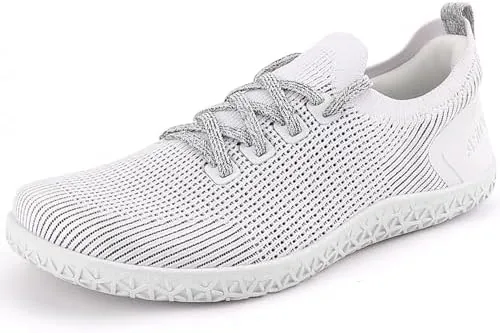
- Breathable Knit Upper Construction Engineered mesh material promotes airflow around the foot, managing moisture and temperature during intense workouts or warm-weather commuting.
- TPU Seamless Overlays Thermoplastic polyurethane reinforcements provide structural stability and durability without adding bulk or restricting flexibility in key movement zones.
- Removable Insole System The modular insole design accommodates custom orthotics or arch support inserts for those transitioning to barefoot footwear or requiring additional accommodation.
- Non-Slip Textured Rubber Outsole Abrasion-resistant rubber with strategic tread patterns delivers reliable grip on gym floors, concrete, and light trail surfaces alike.
Community Favorites: The Models Earning Repeat Purchases
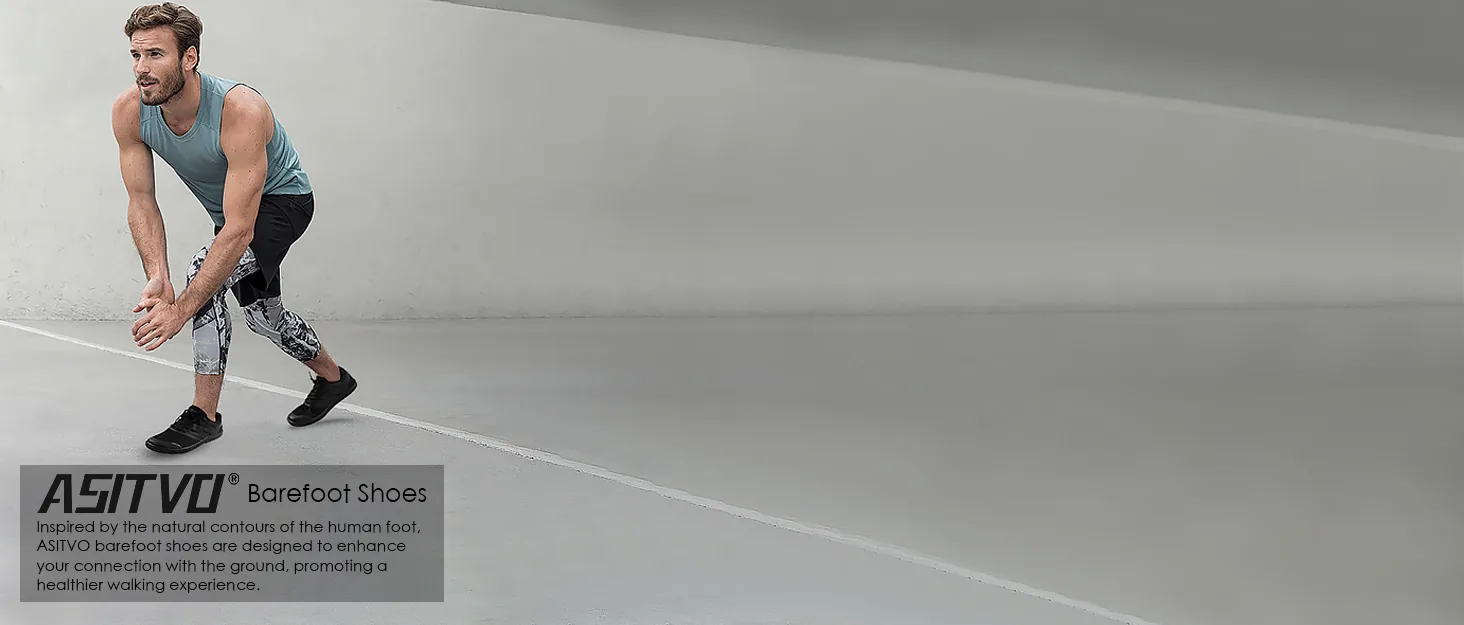
Within the collection, certain designs have emerged as clear favorites based on customer feedback and repeat purchase patterns. The cross-training focused models consistently attract gym enthusiasts who appreciate the stable platform for deadlifts, squats, and functional fitness movements. These buyers report improved form awareness and stronger mind-muscle connections when training in zero-drop footwear compared to their previous cushioned options.
Urban commuter styles have developed a dedicated following among professionals who walk significant distances daily. These wearers value the combination of all-day comfort, breathability for subway and bus commutes, and aesthetic versatility that transitions from office to after-work activities. The ability to maintain foot health during high-mileage urban walking has converted many skeptics into brand advocates.
Trail-capable hybrid models attract weekend warriors who want one shoe for gym sessions during the week and outdoor adventures on days off. These customers appreciate the outsole grip that handles varied terrain without the bulky construction of dedicated hiking boots. The lightweight feel and packability also make these models popular among travelers seeking minimal luggage footwear options.
Breathable Knit Engineering Meets Durable TPU Reinforcement
The upper construction balances two competing demands: maximum breathability for comfort and sufficient structure for durability. The primary knit material uses an open-weave pattern that promotes continuous airflow, preventing the heat buildup and moisture accumulation that plague poorly ventilated footwear. This breathability proves essential during high-intensity training sessions and warm-weather wearing conditions.
Strategic TPU overlays reinforce high-stress areas without compromising the flexible, sock-like fit of the knit construction. These seamless thermoplastic elements wrap around the heel counter for lockdown stability and span the midfoot for lateral support during dynamic movements. The overlay placement reflects biomechanical analysis of where feet exert maximum force and where conventional shoes typically fail.
The rubber outsole composition prioritizes abrasion resistance and grip longevity over maximum cushioning. This material choice acknowledges that barefoot footwear users want to feel the ground beneath them, not isolate themselves from it. The textured tread pattern provides traction on smooth gym floors, wet pavement, and loose trail surfaces while resisting the wear patterns that degrade cheaper outsole compounds within months. Combined with quality adhesive bonding to the upper, this construction ensures long service life even under demanding daily use.
All-Day Comfort That Holds Up Mile After Mile
Real-world performance testing across various user scenarios demonstrates consistent results: these sneakers deliver comfort that improves rather than diminishes over wearing periods. Users transitioning from cushioned conventional shoes often report an initial adjustment period as foot muscles adapt to working without artificial support. Following this adaptation, many describe a newfound awareness of foot function and reduced end-of-day fatigue compared to their previous footwear.
Durability assessments from long-term users indicate that construction quality matches the barefoot philosophy — these shoes are built to last rather than designed for planned obsolescence. The knit upper maintains elasticity and breathability through hundreds of wash cycles, while the TPU reinforcements resist delamination even during aggressive training sessions. Outsole tread retains functional grip patterns well beyond the lifespan of budget alternatives.
Specific performance gains reported by cross-training users include improved deadlift stability from the flat sole platform, better balance during single-leg exercises, and enhanced proprioceptive feedback during agility work. Trail users note confidence-inspiring grip on loose gravel and packed dirt, along with sufficient rock protection for moderate terrain. Urban walkers consistently praise the combination of lightweight construction and all-day support that eliminates the heavy-legged feeling of conventional commuting shoes.
Getting the Most from Your Asitvo Men's Barefoot Sneakers
- Gradual Transition Protocol Begin with 30-60 minutes of daily wear during the first week, gradually increasing duration as foot muscles strengthen and adapt to working without elevated heel support.
- Activity-Appropriate Wearing Start using the shoes for low-intensity activities like walking before progressing to gym workouts and running, allowing tendons and ligaments time to adjust to new movement patterns.
- Insole Customization Options Remove the stock insoles and insert personal orthotics if needed during the transition period, then gradually reduce support as natural foot strength develops.
- Lacing Technique Matters Adjust lacing tension to secure the heel while allowing toe splay in the forefoot — overtightening restricts the natural movement benefits the design provides.
- Surface Progression Strategy Master flat, predictable surfaces before tackling uneven terrain, building proprioceptive skills systematically rather than overwhelming untrained feet.
- Post-Wear Foot Exercises Complement barefoot shoe wearing with toe spread exercises, calf stretches, and arch strengthening movements to accelerate adaptation and maximize benefits.
Navigating the Transition: Fit and Sizing Guidance
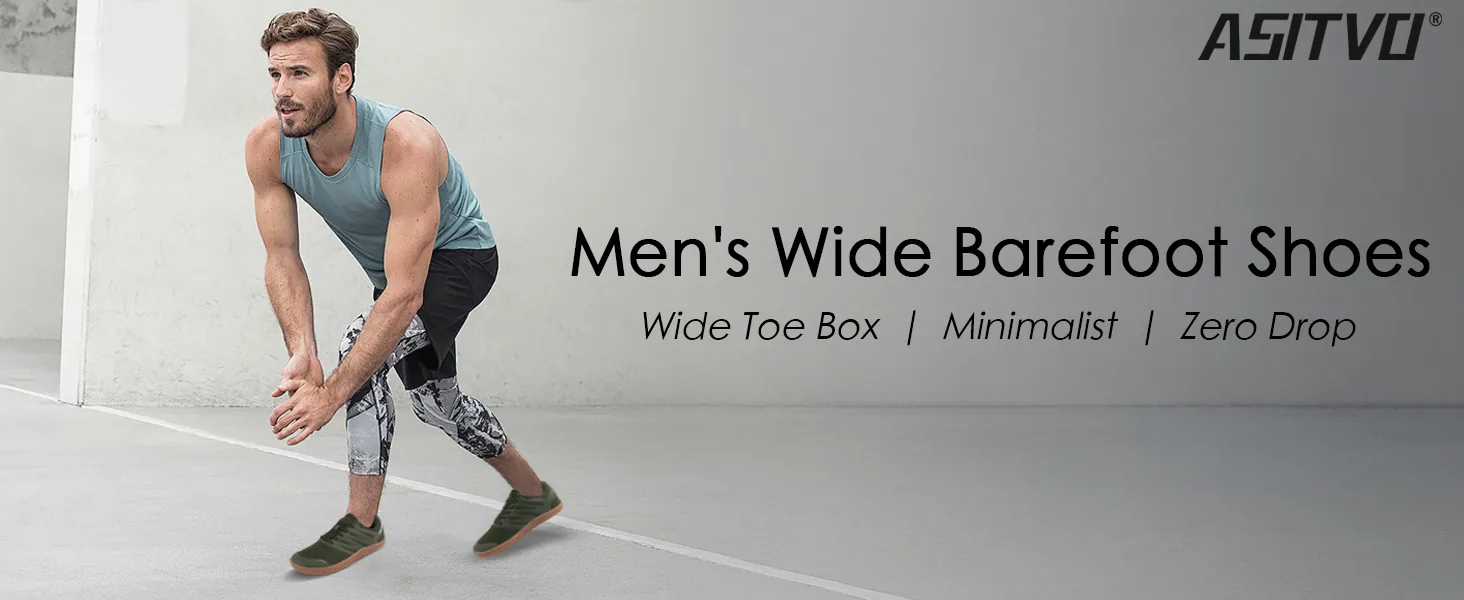
Sizing for minimalist footwear requires different considerations than conventional shoe shopping. The wide toe box design means that traditional width fitting becomes less relevant — most wearers find the standard width accommodates their feet comfortably regardless of their usual width designation. Length remains the primary sizing concern, with a recommendation to allow approximately a thumb's width between the longest toe and the front of the shoe to accommodate natural toe spread during movement.
Those accustomed to narrow conventional shoes should expect the initial fit to feel unusual. The forefoot roominess that allows toes to function naturally may initially register as "too wide" to feet conditioned by restrictive footwear. This sensation typically resolves within the first few days of wearing as toes spread into their anatomically correct positions. Resisting the urge to size down for a "snugger" fit preserves the health benefits the design provides.
For buyers with specific conditions like bunions or hammertoes, the wide toe box offers genuine relief, but patience during the adaptation period remains important. Compressed toes may take weeks to fully relax into their natural alignment. During this time, the spacious fit accommodates swelling and shifting toe positions without creating pressure points. Those with significant foot deformities should consult healthcare providers before transitioning to minimalist footwear to ensure appropriate expectations and progression.
Asitvo Shoe Size Chart — Women's & Men's
| US Women's | US Men's | EU | UK | Foot Length (cm) | Foot Length (in) |
|---|---|---|---|---|---|
| 5 | 3.5 | 35 | 2.5 | 21.6 | 8.5 |
| 5.5 | 4 | 35–36 | 3 | 22.2 | 8.7 |
| 6 | 4.5 | 36 | 3.5 | 22.5 | 8.9 |
| 6.5 | 5 | 37 | 4 | 23.1 | 9.1 |
| 7 | 5.5 | 37–38 | 4.5 | 23.5 | 9.3 |
| 7.5 | 6 | 38 | 5 | 23.8 | 9.4 |
| 8 | 6.5 | 38–39 | 5.5 | 24.1 | 9.5 |
| 8.5 | 7 | 39 | 6 | 24.6 | 9.7 |
| 9 | 7.5 | 40 | 6.5 | 25.1 | 9.9 |
| 9.5 | 8 | 40–41 | 7 | 25.4 | 10.0 |
| 10 | 8.5 | 41 | 7.5 | 25.9 | 10.2 |
| 10.5 | 9 | 41–42 | 8 | 26.2 | 10.3 |
| 11 | 9.5 | 42 | 8.5 | 26.7 | 10.5 |
| 12 | 10.5 | 43 | 9.5 | 27.6 | 10.9 |
Asitvo shoes run true to size for most customers. If you are between sizes or have wide feet, we recommend sizing up half a size.
The Perfect Match for Fitness-Focused Professionals
Ideal Customer Profile
- Gym members seeking better ground feel for lifting
- Urban commuters walking 5,000+ daily steps
- Remote workers wanting home-to-errand versatility
- Travelers prioritizing lightweight packable footwear
- Weekend hikers needing gym-to-trail transitions
Key Benefits for This Buyer
- Reduced joint stress during high-repetition activities
- Improved posture from zero-drop alignment
- Breathable comfort through long workdays
- Versatile styling for multiple environments
- Long-term foot health investment
Selecting the Right Men's Barefoot Sneakers for Your Needs
Choosing among the available models requires honest assessment of primary use cases and aesthetic preferences. Those prioritizing gym performance should select designs with reinforced lateral support and outsole patterns optimized for indoor surfaces. If daily commuting represents the primary application, breathability and urban-appropriate styling take precedence. Trail-capable models suit buyers who split time between structured workouts and outdoor recreation.
Color selection extends beyond pure aesthetics when considering versatility requirements. Neutral tones like black, grey, and navy integrate seamlessly into professional-casual wardrobes, while bolder colorways suit buyers with dedicated workout footwear separate from everyday options. The investment logic differs accordingly — a single versatile pair demands neutral styling, while a rotation approach permits expressive choices for specific contexts.
Budget considerations should factor in the cost-per-wear value of quality construction. The durability of premium materials means higher upfront prices translate to lower long-term costs compared to cheaper alternatives requiring annual replacement. For those committed to barefoot principles, investing in well-made minimalist footwear pays dividends through extended service life and sustained foot health benefits. When in doubt about sizing or model selection, the removable insole system provides flexibility to customize fit after purchase rather than gambling on a single configuration.
Asitvo Men's Barefoot Sneakers vs. Leading Minimalist Competitors
| Feature | Asitvo | Xero Shoes Prio | Merrell Vapor Glove |
|---|---|---|---|
| Heel-to-Toe Drop | 0mm (true zero-drop) | 0mm | 0mm |
| Toe Box Width | Extra wide anatomical | Wide | Standard-wide |
| Stack Height | Minimalist (ground feel) | 5.5mm | 6mm |
| Upper Material | Breathable knit + TPU overlays | Mesh + synthetic | Mesh + TPU cage |
| Removable Insoles | Yes, orthotic-compatible | Yes | No |
| Outsole Grip | Textured rubber, multi-surface | FeelTrue rubber | Vibram TC5+ |
| Primary Use Case | Gym, urban, light trail | Running, gym | Running, gym |
| Price Range | Budget-friendly | Mid-range | Mid-range |
Comparison based on publicly available specifications. Buy Asitvo Men's Barefoot Sneakers for the best value combination of wide toe box design and versatile performance.
Keeping Your Minimalist Sneakers Fresh and Functional
- Regular Cleaning Routine Remove loose dirt with a soft brush after each wear, preventing debris from embedding in the knit upper and degrading fibers over time.
- Deep Washing Method Hand wash with mild soap and cool water when needed, gently scrubbing the knit upper and rinsing thoroughly to remove all detergent residue.
- Proper Drying Protocol Air dry at room temperature away from direct heat sources, stuffing with paper towels to maintain shape and absorb interior moisture.
- Insole Maintenance Remove insoles after sweaty sessions to dry separately, extending their lifespan and preventing odor-causing bacterial growth inside the shoe.
- Rotation Strategy Alternate between two pairs when possible, allowing 24-48 hours for complete drying between wears and extending the functional life of both pairs.
- Storage Best Practices Store in a cool, dry location with adequate airflow rather than sealed containers or damp gym bags where mildew can develop.